


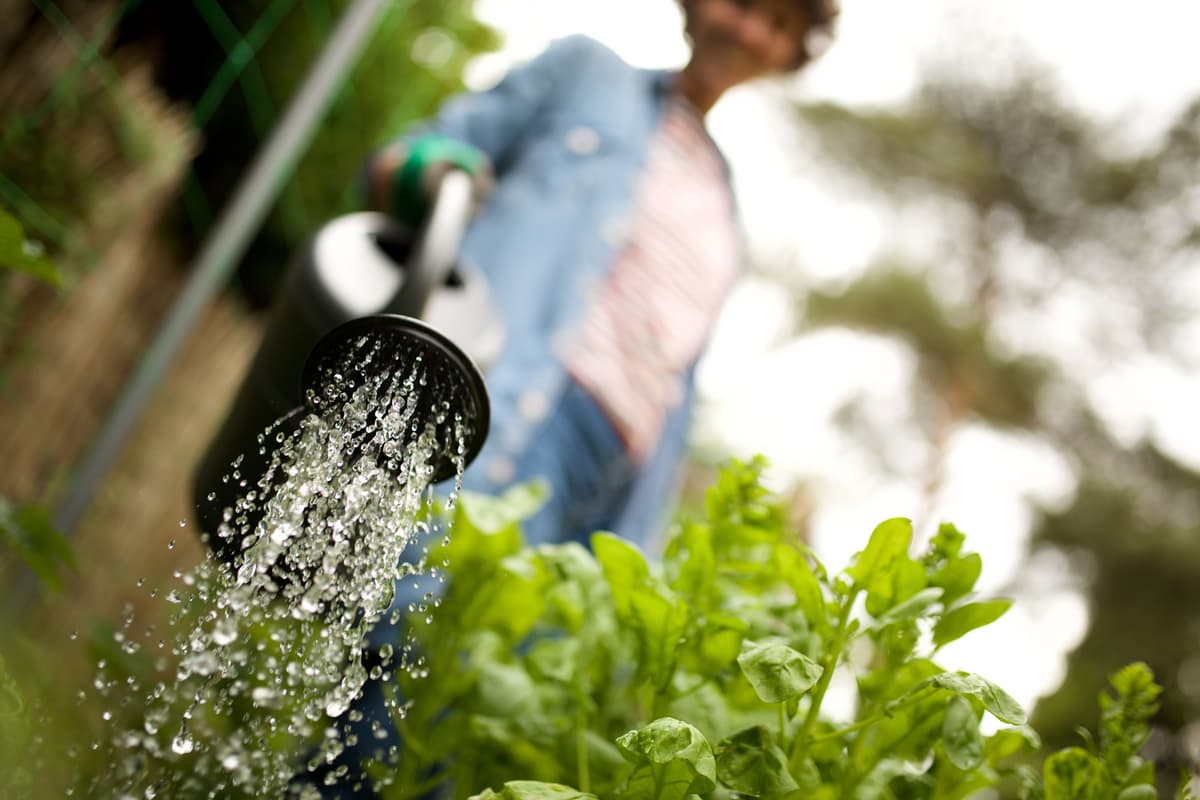
Compost soil
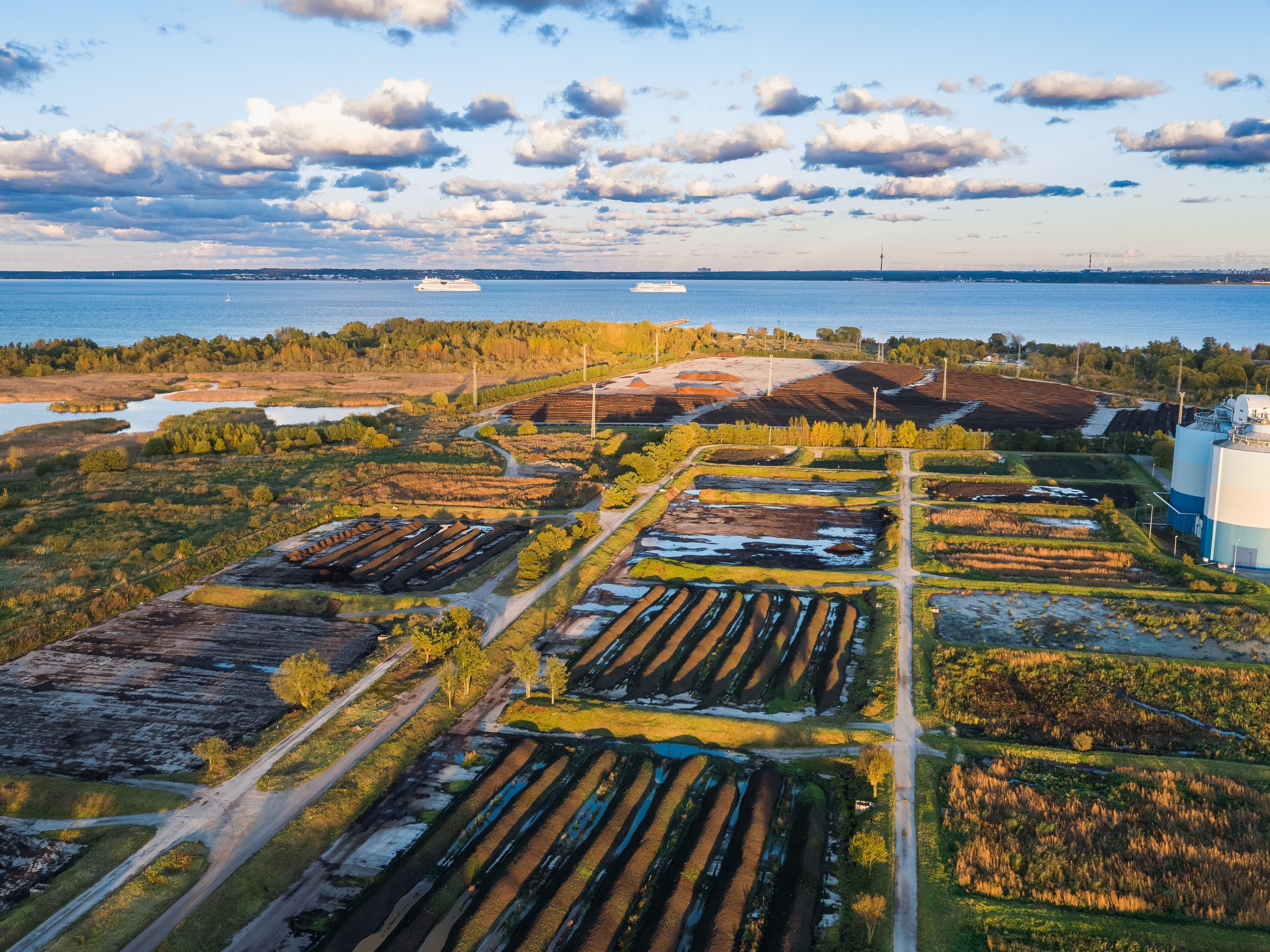
Compost soil for landscaping
We are constantly looking for smart ways to reuse the by-products of wastewater treatment in a way that is safe to the environment. One way is producing compost soil that can be used in landscaping.
We reuse treated sewage sludge to make compost soil.
We give compost soil out for free in spring and autumn to anyone who wants it.
In order to use the soil, you need a waste permit or a registration as a waste handler from the Environmental Board.
Application for a waste permit or a registration as a waste handler
By law, compost made from sewage sludge is classified as waste and its use is strictly regulated. Proper permission must be obtained before it can be used for landscaping purposes. This way, we ensure that the soil cycle is clean and safe for the environment, and that the process is transparent.
- Permit or registration – the starting condition is a waste permit or registration issued by the Environmental Board, which allows the reuse of sludge from the treatment of domestic wastewater.
- Applications and guidance materials – you will find all the information you need on the Environmental Board's website, including a tutorial video on how to apply for registration as a waste handler.
- Reporting obligation – companies that have been registered as waste handlers submit an annual report on their activities in the KOTKAS information system.
- Rules of use – users of sewage sludge must comply with Regulation No 29 of the Minister of the Environment. This specifies the quality standards and conditions for the use of sludge in landscaping, recultivation and agriculture.
Once the registration has been approved by the Environmental Board, please:
- e-mail a copy of the confirmation at muld@tvesi.ee at least three working days before collecting the soil;
- if possible, also include the planned date and estimated time of collecting the soil.
Where and when can I collect the compost soil?
Distribution of compost soil
During the autumn 2026 season, we will distribute landscaping soil on the following dates and times:
- 22 September 2026, 9:00 AM to 3:00 PM
- 29 September 2026, 9:00 AM to 3:00 PM
How to collect it?
The compost soil is given out at the Paljassaare Wastewater Treatment Plant at Paljassaare põik 14.
When you arrive, come to the main door of the administrative building and call 626 2475.
A member of our staff will meet you, register the giving out of soil and give you a card to carry out the necessary weighing operations. Please follow the instructions of our staff – this will ensure that everything runs safely and smoothly.
What you need to know
- All soil is weighed before it is given out.
- The weighbridge can weigh vehicles with a maximum weight of 40 tonnes and a maximum length of 12 metres.
- The minimum quantity given out is 0.5 tonnes.
- If you are coming with a car and a trailer, please note that the possibilities for loading with a loader are limited. The trailer cover must be completely removed.
We can help you get soil delivered conveniently for you
If you are unable to collect the compost soil yourself, our subsidiary Watercom can arrange transport for you.
- Call 626 2620
- E-mail watercom@watercom.eu
To arrange transport, please send us the confirmation of your registration with the Environmental Board first. You can then contact Watercom to arrange a suitable time, bearing in mind the times when compost soil is given out.
Transportation of one load (approx. 10 tonnes with a tipper) within the city limit of Tallinn costs €90.1 + VAT. Outside the city limits, €1/km + VAT will be added.
Giving out compost soil
muld@tvesi.ee
How is sewage sludge turned into compost soil?
Sludge separation
We separate sludge from water when treating wastewater and collect it for further processing.
Anaerobic digestion
The sludge is fed into methane tanks and left to digest in an anoxic environment at a temperature of ~37 °C for approximately 15–20 days. This process helps to stabilise the sludge and make it safe for the environment.
Dewatering
The digested sludge is pressed using a centrifugal method until it contains up to 25% dry matter, then collected in storage tanks and transported to the composting field by truck.
Composting with natural peat
At the composting field, we mix 1 part of stabilized sludge with 0.7 parts of milled peat. Now, a further stage of digestion begins, this time enriched with air – a process known as aerobic digestion – which lasts for about a year. During this time we mix the windrows at least 6 times with a special windrow turner.
The end result is a compost soil
The result is nutrient-rich compost soil with an average specific weight of 800 kg/m³, depending on natural conditions. To ensure the quality is maintained, we take soil samples at least four times a year
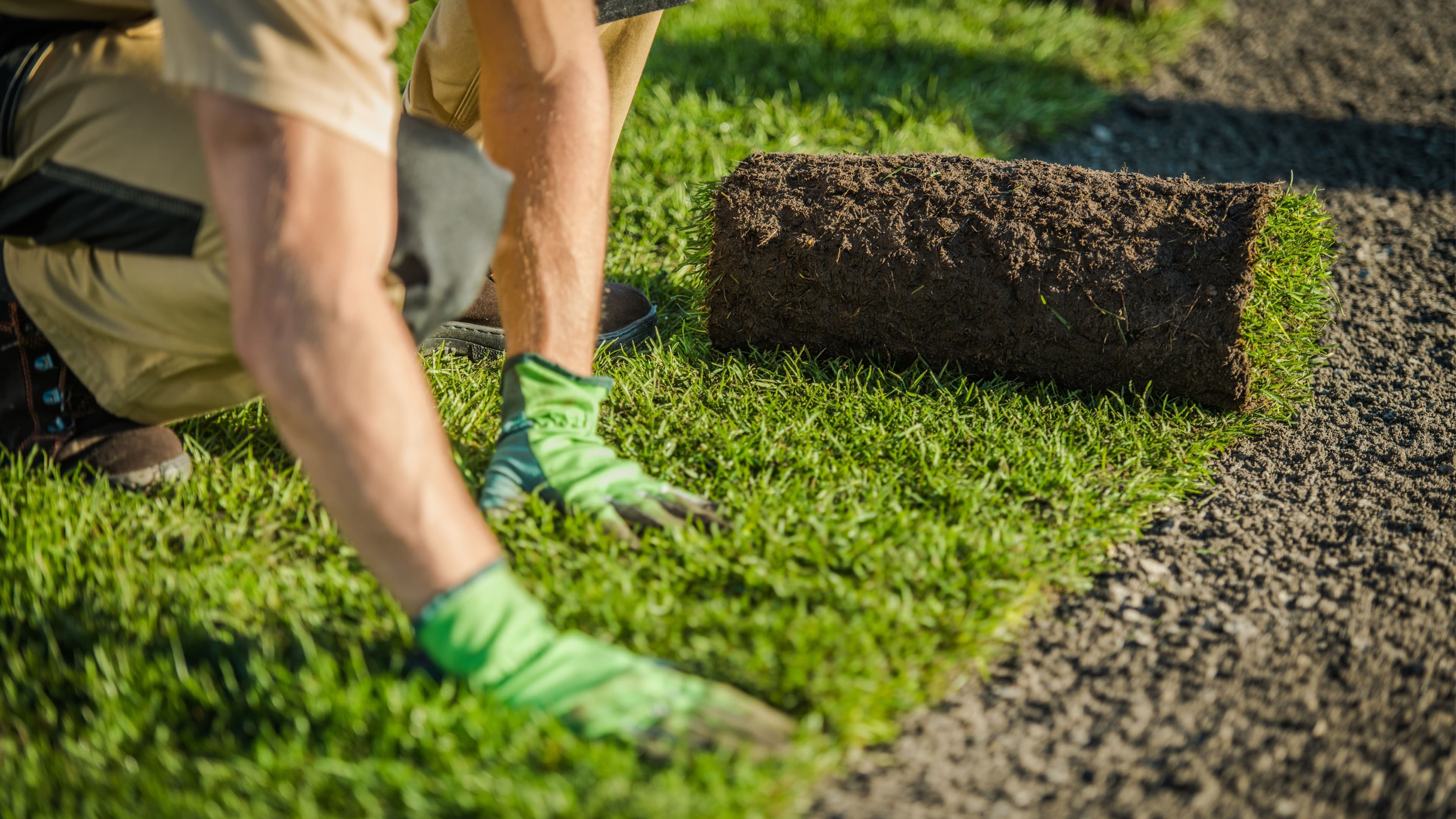
Tips for using compost soil
To make the most of the compost soil in your garden or green area, follow these simple tips.
- Mix with the old soil – dig it through with the existing soil when you apply the compost soil.
- Aerate the lawn – add coarse sand to the soil when creating the lawn. This makes the soil more airy and helps the grass grow.
- Don't worry about weeds – they will sprout alongside the grass at first, but regular mowing will prevent them from taking over.

