


Stormwater and droughts
The impact of climate change on stormwater
The two main effects of climate change that we need to consider are prolonged periods of drought and increased rainfall intensity. Urban areas are particularly affected by sudden and heavy downpours, which cause flooding and soil erosion and put heavy load on wastewater treatment plants.
Where does future resilience begin for us?
Tallinn is divided into areas with separate and combined sewer systems.
- In areas with combined sewers, stormwater and wastewater share the same pipe and are transported to the wastewater treatment plant.
- In areas with separate sewers, stormwater is transported in a separate pipe and is mostly returned into the sea.
It is very important to construct separate sewer systems in the city to avoid flooding and excessive loads on the wastewater treatment plant during periods of heavy rainfall.
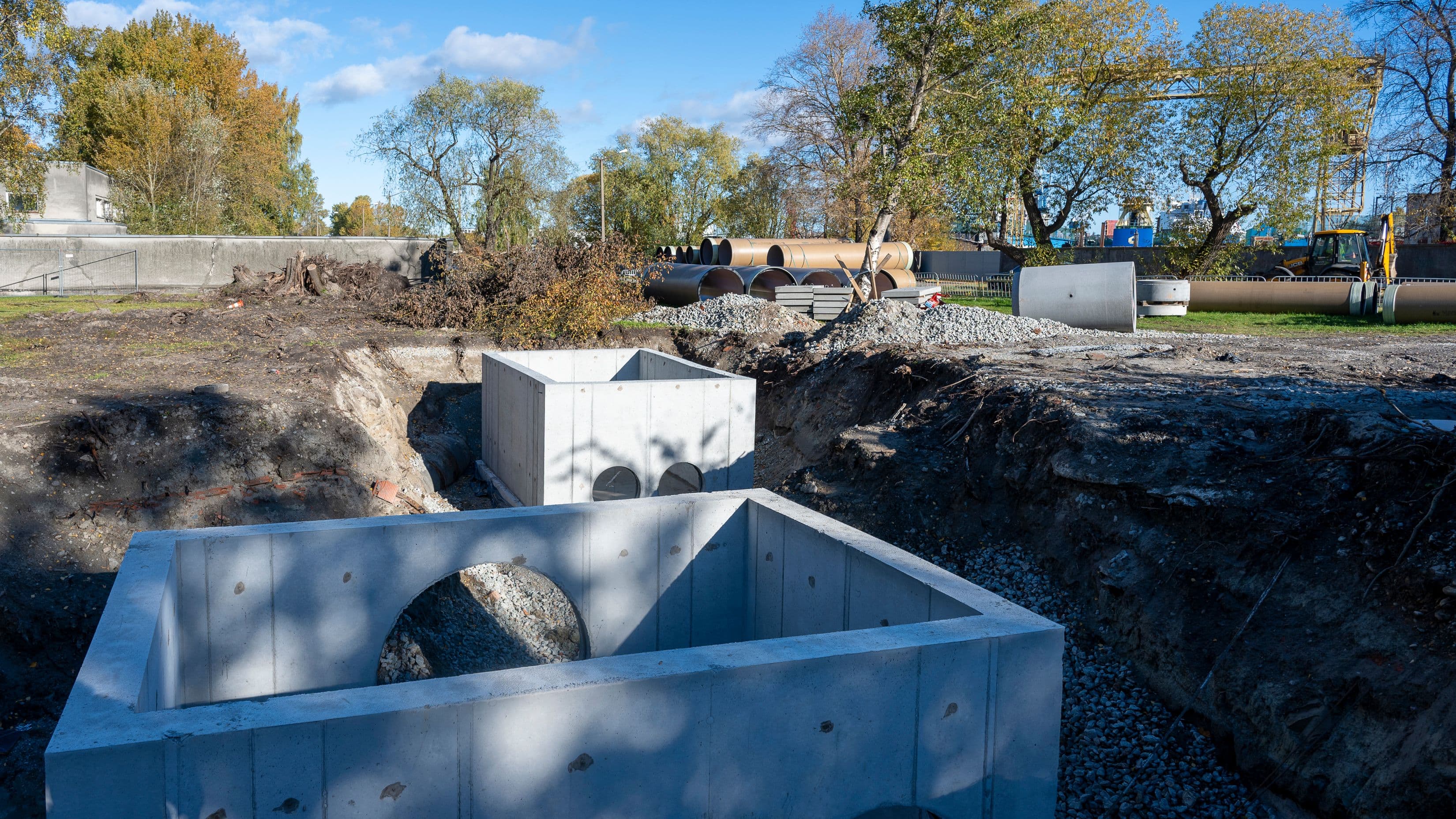
In 2025–2026, strategic stormwater receiving systems are developed on:
- Tuukri and Uus-Sadama Street,
- Petrooleumi Street,
- Kolde Avenue,
- Kopli Street,
- Lauteri Street and Rävala Avenue.
In addition to pipe networks, we need more places in Estonia where stormwater can be stored to prevent flooding and, if possible, used to prepare for longer periods of drought.
Green stormwater solutions
During heavy showers, pollutants such as tyre and asphalt particles are released directly into the environment because stormwater is usually not treated before being released into the sea.
Another problem arises during periods of exceptional rainfall, when the volume of runoff exceeds the hydraulic capacity of pipes, resulting in flooding on the streets.
Therefore, we are working with the City of Tallinn to develop additional stormwater infiltration and retention solutions, such as ponds and treatment complexes called bioretention basins in the city. Stormwater retention ponds, nature strips, and other similar solutions ensure that water runs off the streets more quickly during heavy downpours. They also help to make sure that the water released to nature during rainfall has less of an impact on the environment.
The development plan anticipates that green solutions should cover an average of 11% of street areas in Tallinn.
For example, we are building a sedimentation pond next the the sea in the Lahepea Street area of North Tallinn, which is first of its kind and will help cope with increased rainfall. This will collect and treat stormwater before it is returned into the sea. This way, we will keep the Baltic Sea clean.
What can property owners do?
Protect your property against heavy rainfall. Heavy rainfall over a short period of time can cause flooding in the city. In situations like this, it is important to that you protect your property to prevent damage from water.
- Place things that could be damaged by water, such as appliances, furniture and other valuable items, above the waterline.
- Close the sewer pipes that come out of the building to stop rainwater from the city’s sewer system flowing back in.
Collect stormwater on your property
Property owners can help reduce the load on the city's stormwater systems by installing solutions to collect rainwater on their property.
This could be anything from a simple water tank to a more complex stormwater harvesting system.
- The cheapest and easiest solution for collecting stormwater is to purchase a standard water tank and connect it to a rain gutter. This water can be used to water plants.
- For watering the lawn, on the other hand, you will need to set up a more advanced harvesting system. For this purpose, you can choose from above ground and underground tanks that come with a filter system and can be fitted with a pump for watering.
- If you've got the space and suitable soil, one way to collect rainwater is to dig a pond in your garden. It will fill up with water by itself over time.
Collecting rainwater on your property and using it to water plants will help save drinking water during dry periods. This is especially important in areas where drinking water is drawn from aquifers.
Stormwater drainage
Draining stormwater and drainage water from your property into the sewer pipes is not permitted.
If there is a stormwater system or combined sewer pipes in the street and you want to build a stormwater drainage system on your property, start by applying for technical specifications.
What can we all do to preserve our drinking water reserves?
Although precipitation exceeds evaporation in Estonia, longer periods of drought in summer affect our drinking water reserves.
Several dry summers in a row can lead to a situation where water levels in the catchment area’s reservoirs no longer recover, causing water shortages. This is why it is important to use drinking water sparingly, particularly in summer.
Tips for saving water
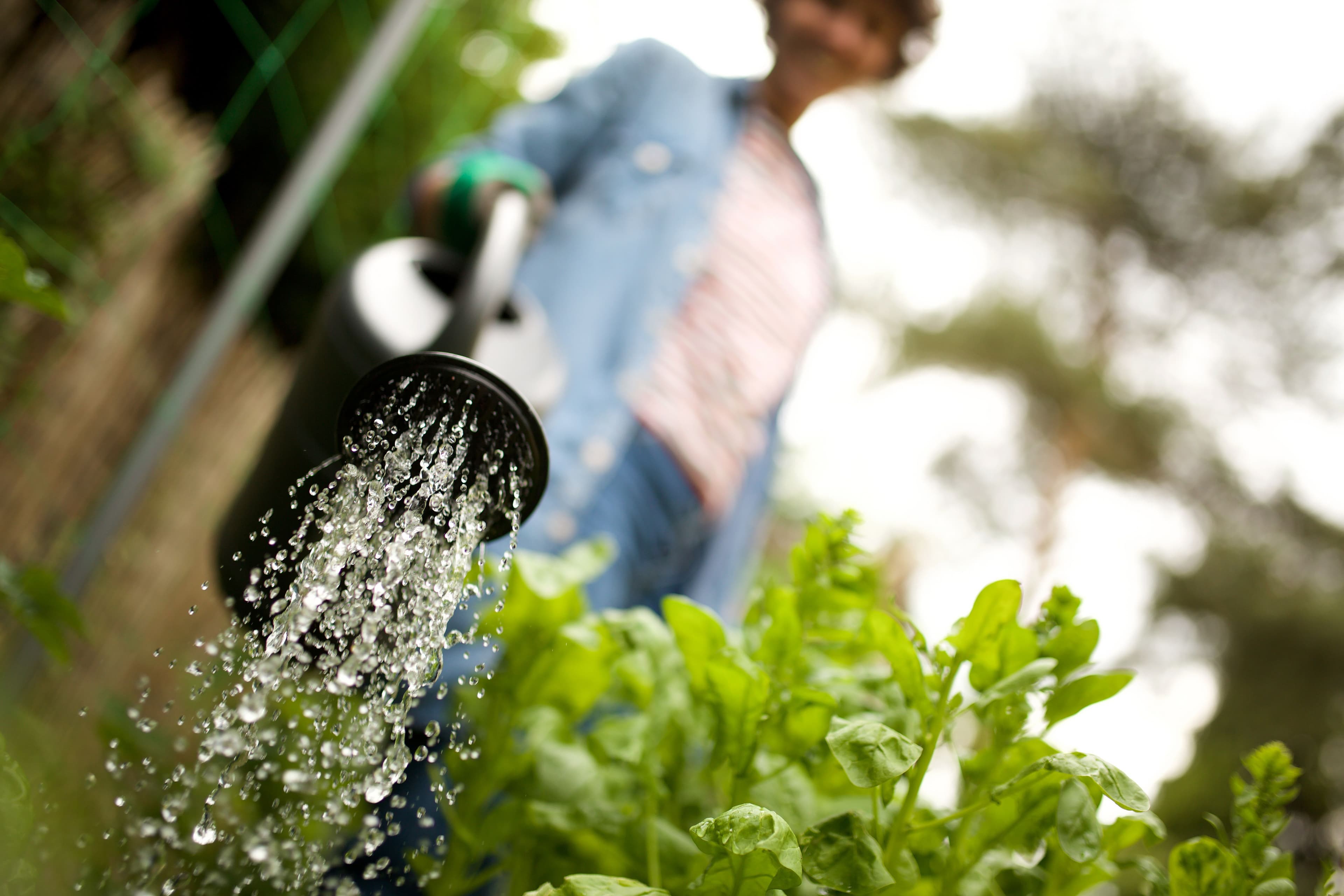
We recommend you to collect and use rainwater for watering your lawn and plants if you have a garden. This is the most environmentally sustainable solution. Rainwater that has been collected can also be used for other purposes that do not require spending high-quality drinking water, such as washing a car.
- If it hasn't rained for a while and you are using drinking water to water your plants, avoid watering between 7–10 a.m. and 5–11 p.m. Water consumption is higher at these times, and intensive use can cause pressure problems.
- The best time to water is late in the evening, as this prevents the water from evaporating immediately under the scorching sun.
- Water the roots of the plants, not the leaves. If you water the leaves, the water will evaporate faster.
- Where possible, use a watering can instead of an automatic sprinkler system.
In conclusion
Collecting rainwater is an effective and environmentally friendly way of reducing pressure on the city’s water supply, mitigating the risk of flooding, and saving drinking water. At the same time, it also reduces the load on the sewer system and wastewater treatment plant.

