

Water catchment system
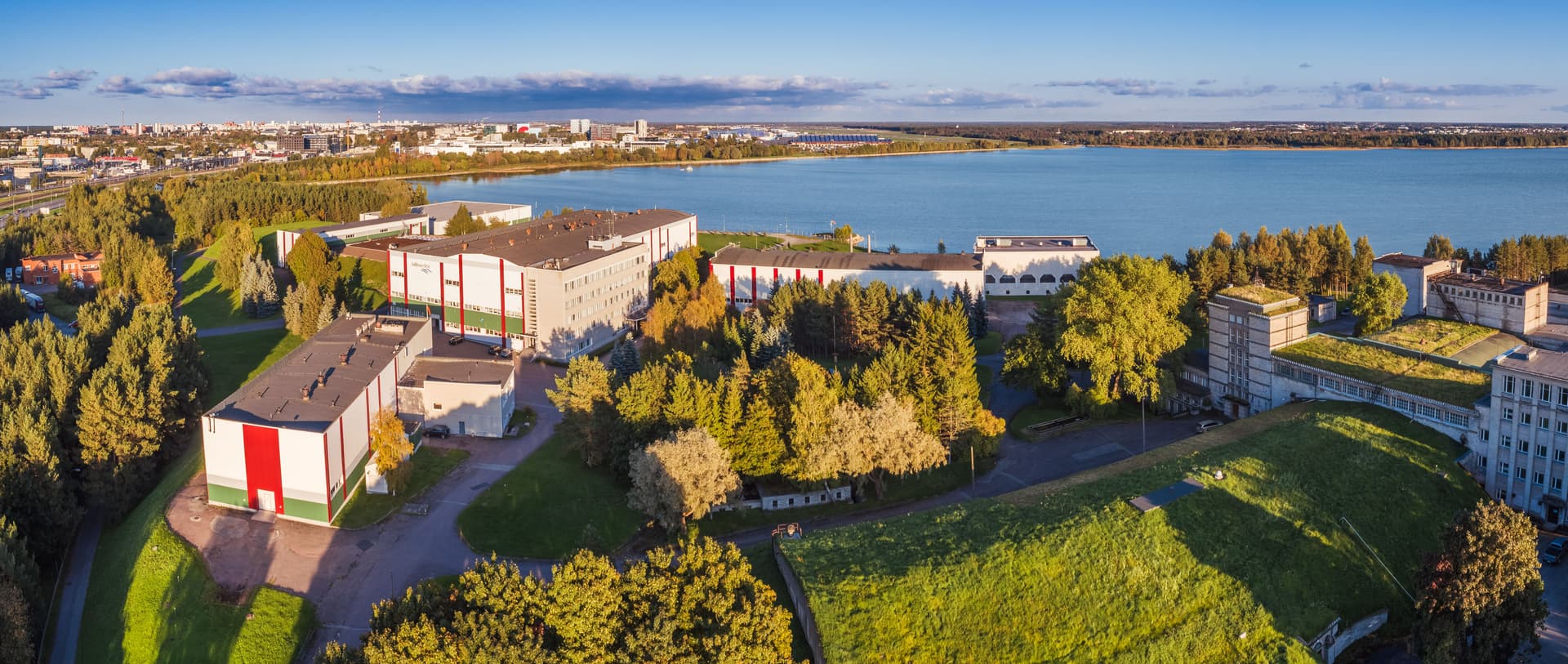
We draw most of the water we need to produce drinking water from Lake Ülemiste. To secure our water supplies, we have also built a water catchment system that includes the Paunküla and Soodla reservoirs.

We are the largest water utility in Estonia, keeping the daily lives of a third of the population fresh – we bring clean drinking water to your table and return properly treated water back to nature.
It's important to us that the freshness around you lasts into the future. That is why we try to use water and energy sparingly to minimise our environmental footprint.
In 2025, we earned first place in the Sustainable Company category at the Äripäev Estonia's TOP100 Successful Companies awards gala. This recognition is a testament to the impact of our work and confirms that we are on the right path.
We borrow from nature and return as clean.
We draw most of the water we need to produce drinking water from Lake Ülemiste. To secure our water supplies, we have also built a water catchment system that includes the Paunküla and Soodla reservoirs.

We produce 90% of Tallinn’s drinking water at the Ülemiste Water Treatment Plant, where we treat more than 26 million cubic metres of water each year.
About 10% of Tallinners get their drinking water from groundwater wells. We also treat the groundwater to ensure it is always clean and fresh.
Water and groundwater pumping stations help to supply water through pipes to homes and businesses and ensure sufficient water pressure. Wastewater pumping stations help to transport all wastewater to the Paljassaare Wastewater Treatment Plant.

Clean drinking water is supplied to homes through more than 1,200 kilometres of water pipes that run underneath Tallinn. Once used, wastewater is transported to the Paljassaare Wastewater Treatment Plant through a public sewerage system, that includes almost 1,200 kilometres of sewer pipes.

In Tallinn, both combined and separate sewer systems are used to drain stormwater. In a combined sewer system, both stormwater and wastewater are transported to the wastewater treatment plant, where we thoroughly treat them before returning into the sea. In a separate sewer system, stormwater is returned directly into the sea.
At our wastewater treatment plant, we treat about 40% of the municipal wastewater collected in Estonia with the utmost care and even higher efficiency than the standards require to keep our Baltic Sea clean.

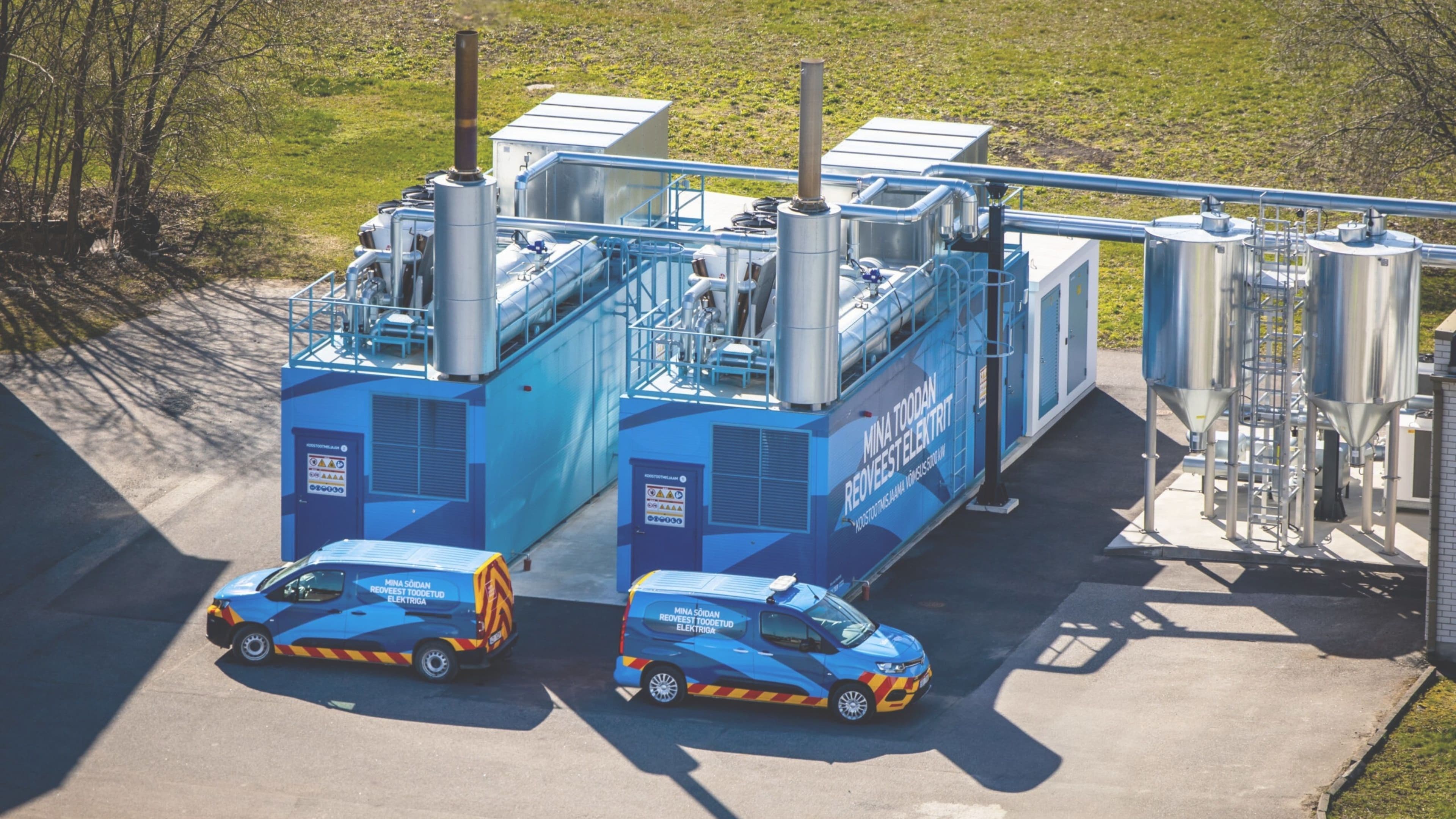
The combined heat and power plant at Paljassaare uses biogas generated during the wastewater treatment process to produce all the heat and half of the electricity needed at the treatment plant.
We are working hard to improve the water status of the Baltic Sea, which is particularly vulnerable to human impact. As a result, the treated effluent parameters outperform the limit values required by law by almost twice.
Our business has a direct impact on the environment around us. This is something we are aware of every day. That is why we have identified the areas where our operations can have the biggest impact on nature. We set ourselves clear environmental targets based on these areas and regularly monitor our progress towards these targets to minimise our footprint.
Read about our key environmental aspects and targets here
Clean drinking water and proper wastewater treatment not only affect the daily lives of people in Tallinn and the neighbouring municipalities, but also the quality of life in the entire Baltic Sea region. That is why we take it into account in our management and in our day-to-day operations.
Minimising our environmental impact is important to us, but we also care about the working environment and safety of our employees and partners, the quality of the services we provide and our contribution to the community. In addition, we maintain a high quality of management by implementing a range of management systems and adhering to high standards of business ethics.
Our principles on sustainability provide clear direction: what values we uphold and how we make decisions based on them. In this way, we can ensure that the water we protect today remains a source of vitality and freshness also for generations to come.
Read about our principles on sustainability here
For the first time, we calculated our carbon footprint in 2020. Since 2022, we are doing it every year.
For the calculation of the carbon footprint, we use the internationally recognised and most widely used greenhouse gases reporting standard "GHG Protocol Corporate Accounting and Reporting Standard". Read about our carbon footprint in the Environmental Report.
We have set targets to reduce the climate impact of our business.