

How to prevent water meters and pipes from freezing in winter
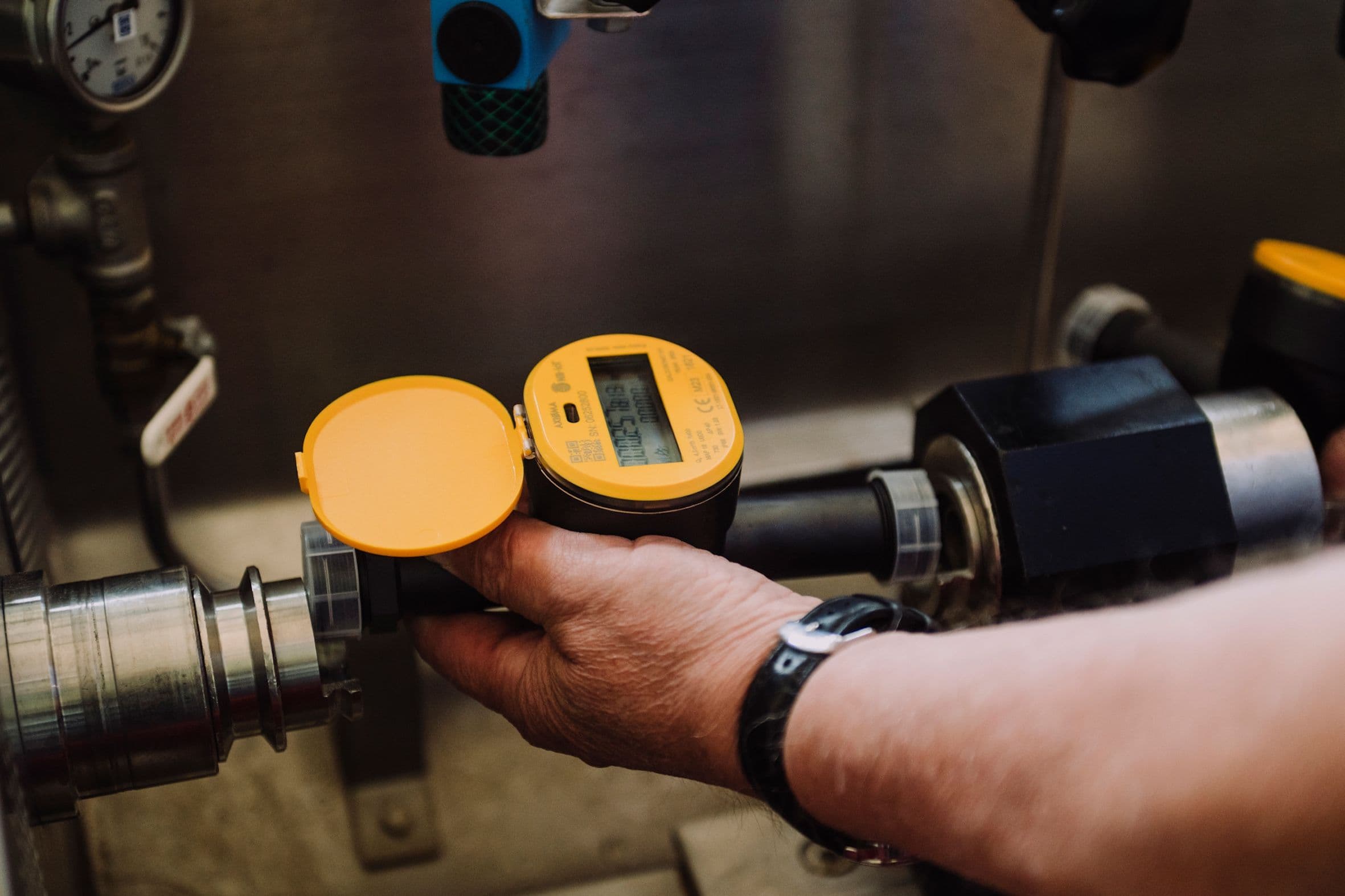
Before the first sub-zero temperatures arrive, make sure that the water metering unit and the pipes in your house are adequately protected from the cold. Here are some useful tips on how to prevent your water meters and pipes from freezing, which can result in costly failures.
- Pipes
How to prevent water meters and pipes from freezing in winter
Before the first sub-zero temperatures arrive, make sure that the water metering unit and the pipes in your house are adequately protected from the cold. Here are some useful tips on how to prevent your water meters and pipes from freezing, which can result in costly failures.
Fluctuations in temperature can damage digital water meters and cause uninsulated pipes to freeze and burst. A few simple preventive actions can help you avoid unnecessary repair costs and water damage.
Keep the water metering unit warm
Freezing of pipes is most likely to start at the water metering unit, especially if it is located in an unheated basement or pantry. Therefore, make sure that the temperature in the water metering unit does not drop below +3 °C. To this end, the room should be properly insulated and, ideally, heated.
It is also important to check for draughts and ensure that all cracks, as well as windows and doors, are closed properly. Draughts will considerably speed up the freezing of pipes. Single-pane basement windows should be covered with wool or foam plastic to reduce heat loss.
Cover pipes with insulation material
Water pipes should be covered with insulation material that is at least 9 mm thick. This will also protect the pipes from condensation in summer, which is sometimes mistaken for a pipe leak.
However, if the room is cool and water is only used occasionally, insulation alone may not provide sufficient protection. In this case, a heating cable should be installed underneath the insulation materials. If temperatures consistently remain above three degrees Celsius, there is no need to use a heating cable.
Drain the pipes in the summer cottage
If you have a summer cottage or country house that isn't heated during the winter, you should turn the water off at the connection point for the winter. The safest way is to arrange for your local water utility turn off the water at the connection point and remove the meter. After that, open all the taps to ensure that no water remains in the pipes. As it freezes, the water trapped in the pipes expands, which can lead to burst pipes and costly water damage.
Don't overestimate the condition of your pipes
Homeowners with old, rusty or damaged pipes should assess the condition of their water metering unit with particular care before the cold weather arrives. Rust-eaten pipes are fragile and can burst easily in the cold. The most sensitive areas, such as threads and fittings, are often invisible to the eye. It's always worth consulting a specialist to find out whether your pipes need repairing or replacing. Taking action in time will help prevent more damage and costly repairs in the future.
Cold weather will not be an issue if your water system is properly insulated and maintained. If you're planning to replace your pipes, check your water utility's technical requirements first. This will make it easier to install a smart meter in the future and ensure the system is reliable all year round.
What should I do if my pipes freeze?
- If the pipes are about to freeze and cannot be insulated immediately, the short-term remedy is to leave the tap running slowly. Moving water in the pipes freezes more slowly than still water.
- If the water in the pipe has frozen, any pipe fittings that can be removed should be disconnected first to allow drainage once the pipe has thawed. Otherwise, the pipe may burst.
- In the event of extensive freezing, make sure you call in professional plumbing contractors to avoid damage to the pipes and additional costs.