

Reduce your environmental footprint: a toilet is not a trash bin
We can all help make wastewater treatment more environmentally sustainable through our daily habits.
- Environment
- Pipes
Reduce your environmental footprint: a toilet is not a trash bin
We borrow groundwater and surface water from nature for use in our daily lives. Every consumer has an important role to play in ensuring that the water returned to the environment is as clean as the water that was borrowed from it.
Although Estonian water utilities invest significant resources in both drinking water production and wastewater treatment, consumers also play a crucial role in this process. Items thrown into the sewer that do not belong there not only complicate the treatment process, but can also cause serious blockages and failures in the system.
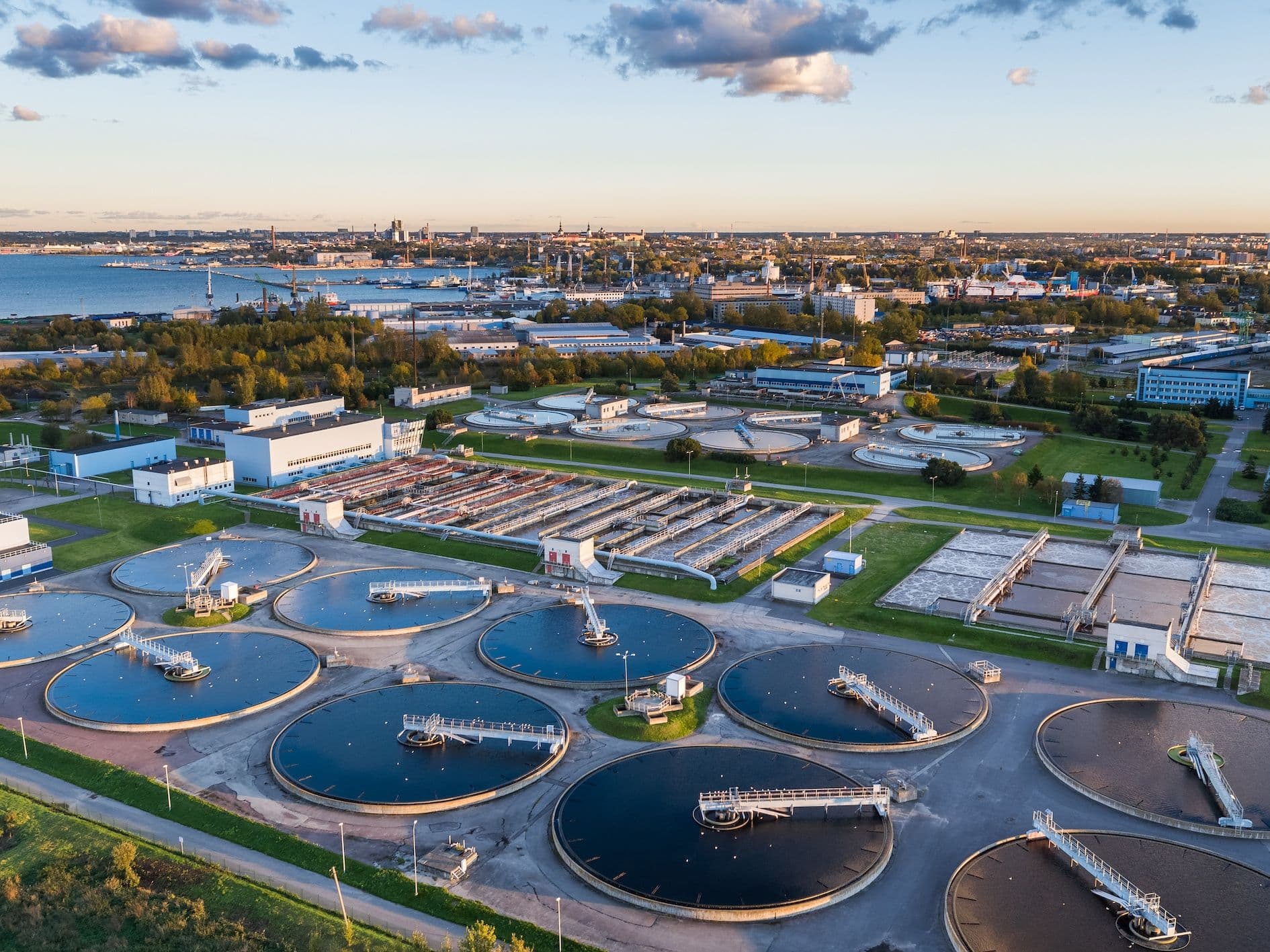
We can all help make wastewater treatment more environmentally sustainable through our daily habits. The water treatment plant uses the surface water from Lake Ülemiste to produce drinking water. We all have a responsibility to ensure that the treated effluent returned to the Baltic Sea is as clean as the water borrowed from nature.
Every year, the largest water treatment plant in Estonia, located in Paljassaare, Tallinn, removes about:
- 735 tonnes of trash,
- 324 tonnes of sand and grit,
- 1,853 tonnes of nitrogen,
- 249 tonnes of phosphorus,
- 12,499 tonnes of suspended solids,
- 10,843 tonnes of BOD7 (biochemical oxygen demand indicator)
While sand and grit mainly come to sewers from urban run-off, there are also many items in the trash that people can prevent from going down the drain.
The sewer system is not for cotton buds, wet wipes, hygiene products or cigarette butts. These items should be thrown in the trash. Cigarette butts contain toxic chemicals and take a very long time to decompose in nature.
The most common items to end up in the sewer are items that should go in bio-waste or household waste:
- (wet) wipes,
- cotton buds,
- food waste and fat,
- candy wrappers,
- medicines and household chemicals,
- cigarette butts,
- hygiene products, condoms, nappies.
How can I reduce may consumption footprint?
Don't flush food waste down the sink or toilet
Food waste, particularly soup, coffee grounds, and cooking fat and oil, put load on the treatment system. They should be placed in a bio-waste container or composter. From an environmental perspective, having a waste disposal unit under the kitchen sink is not the best solution. Instead, food that has gone bad should be thrown in bio-waste or the composter. If the soup is too runny to throw it away with the bio-waste, separate out the solid matter and congealed fat first, and only then pour the soup down the drain.
Take expired medicines to a pharmacy
Medicines contain chemicals that must be kept away from the natural environment. Don’t throw them into the sewer or household waste; instead, return them to a pharmacy, where unused medicines are accepted free of charge.
Use cleaning products that are kind to the environment
Household chemicals affect both consumers and the natural environment. Choose natural cleaning products to protect your health and the environment. Ecological cleaners manufactured using modern technology are just as effective as products containing chemical compounds, but the ecological footprint they leave is significantly smaller.
Take hazardous waste to a waste station
If you have paint or chemicals left over after renovations, don't throw them in the trash or pour down the drain. Take them to a waste station for proper disposal.