

How do we keep our main drinking water source, Lake Ülemiste, clean?
The Tallinn area has the largest number of water consumers in Estonia, so it is important that we can be sure that our drinking water is clean.
- Drinking water
- Environment
How do we keep our main drinking water source, Lake Ülemiste, clean?
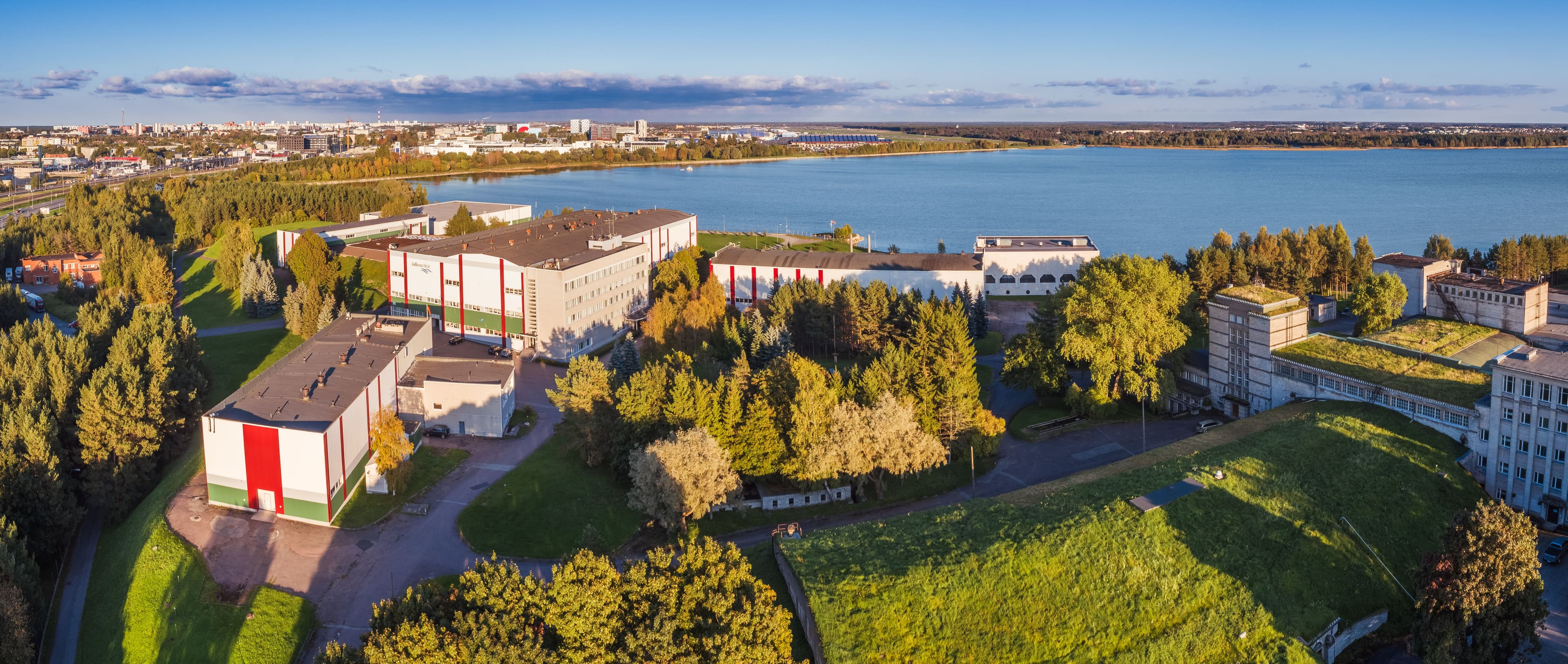
According to the Water Act, this is a sanitary protection zone. This means that activities in this area are restricted, and any deterioration in water quality must be avoided. The impact of human activities on the water environment must be reduced, and the sustainable use of water must be promoted to ensure the long-term protection of surface and groundwater resources.
The Tallinn area has the largest number of water consumers in Estonia, so it is important that we can be sure that our drinking water is clean. If the lake area were open and people were swimming there, someone would be swimming their dog, someone would be washing their car – probably none of us would actually want to drink such water, even if it had gone through a very thorough treatment process.
The excellent water quality and sustainable service we enjoy today are the result of the efforts of many people, strategic work, scientific research, and daily monitoring and maintenance. Drinking water is subject to very strict quality standards. To ensure these standards are met, the area has been designated a sanitary protection zone and closed to the public. We kindly ask that residents adhere to this.
But why are people still occasionally allowed near Lake Ülemiste? We will answer this question below.
Why is the Run around Lake Ülemiste, hosted by Tallinna Vesi, allowed, and why are open days and training exercises held occasionally?
The Run around Lake Ülemiste and the open days, which are held once or twice a year, are long-standing events where we introduce activities related to drinking water production and also the sanitary protection zone around the lake. The purpose of these events is to educate the community. We believe that increasing knowledge will also foster a stronger sense of community and cooperation in valuing and preserving the sanitary protection zone of the lake.
Visitors may be permitted temporary and limited access to the sanitary protection zone, provided that the water intake and water remain protected.
As a provider of vital services, conducting training exercises helps us to develop practical skills, improve ourselves and practise cooperating with other institutions. Training exercises help us to improve our response capabilities and test our crisis plans. Also, training exercises help us to identify and assess potential risks and take measures to mitigate them.
Will there be changes in the future, and could the lake be open to everyone?
Clean drinking water is a great richness for Tallinners, and Lake Ülemiste is its main source. Many cities around the world already have a shortage of drinking water, or the water is not clean enough to meet established criteria.
At Tallinna Vesi, we have always prioritised openness, balancing it with the safety of our core activities wherever possible. We are convinced that maintaining the sanitary protection zone around Lake Ülemiste is crucial, both now and in the future. By protecting water sources, we ensure the sustainability of the water supply and guarantee access to clean water for generations to come.