


Wastewater and the sewer system
Where does wastewater go?
We borrow water from nature and return it to nature. As clean.
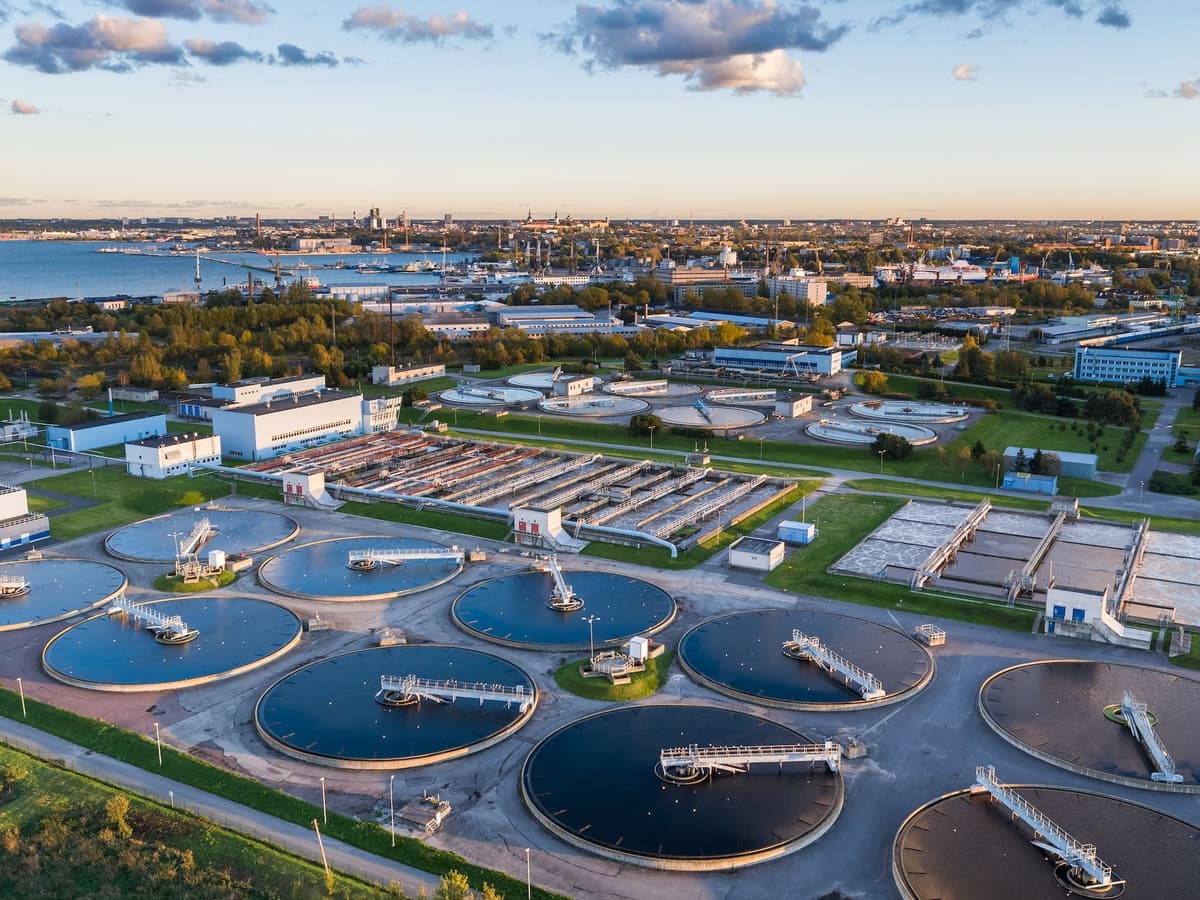
Wastewater is water that has been used and runs through the sewer system to the wastewater treatment plant in Paljassaare. There, it is thoroughly treated and finally returned into the sea.
If you notice a sewer smell or slow-running drains, first establish whether the problem affects only one apartment, the whole building, or whether it is a larger plumbing issue.
Sewer system under the city
A sewer network almost 1,200 kilometres long carries wastewater underneath Tallinn. Rainwater, meanwhile, is directed into the stormwater network, which comprises over 500 kilometres of pipes. The combined sewer system carries both wastewater and stormwater.
The sewer pipes that come out of consumers' properties are usually small in diameter. Without proper maintenance, blockages can easily occur. So even a small obstacle can start a bigger problem in the whole system.
For comparison, the largest collector pipe has a diameter of 2.9 metres, while the deepest one lies more than 30 metres underground.
Blockages and how to prevent them
Blockages are caused by throwing things into the toilet that don't belong there, such as food waste, wipes, cotton buds, etc.
Blockages will stop the wastewater flow in the pipes, causing the water to escape from the lowest points, such as basements and manholes. Clearing blockages and their consequences is costly and time-consuming.
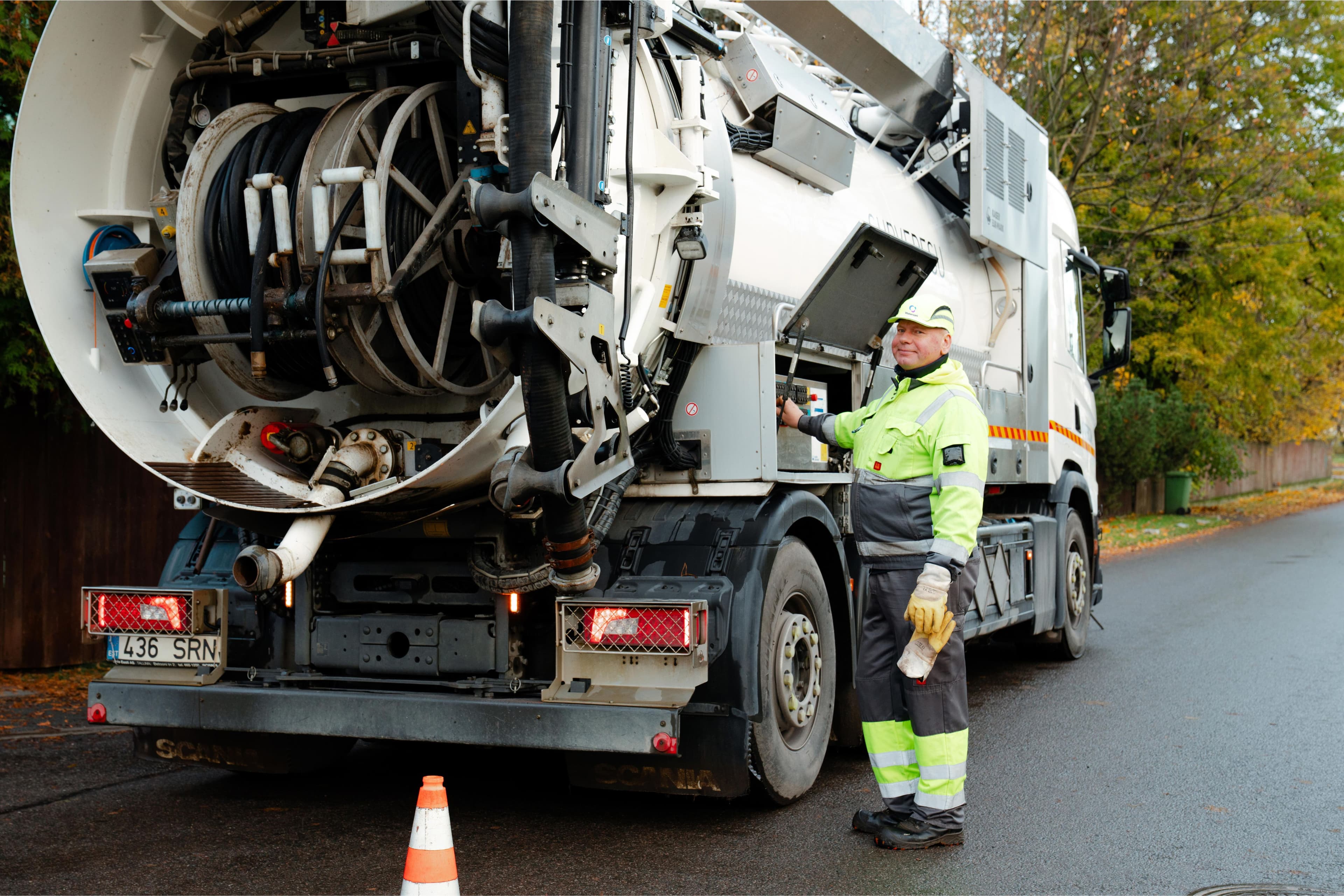
To avoid blockages, it is also recommended that high-pressure jet washing is carried out every 3–5 years.
If your toilet becomes blocked, first pour hot water into the toilet bowl and then use a rubber plunger. Although special clog removers can be effective, they often contain highly toxic chemicals that cannot always be fully removed from wastewater.
If home remedies don't work, contact a professional service provider who will help you clear the blockage.
Service providers in case of blockages
What should never be flushed down the toilet?
- Wipes and paper towels
- Sanitary napkins, tampons and nappies
- Cotton buds
- Condoms
- Candy wrappers
- Cigarette butts
- Food waste and fat
- Medicines and household chemicals
- Cat litter
Tips for keeping your drains clear
Don't flush food waste down the sink or toilet
While coffee grounds in the sink may seem harmless, they are not good for the sewer system. Food waste, particularly soup, coffee grounds, and cooking fat and oil, put load on the treatment system. They should be placed in a bio-waste container or composter. From an environmental perspective, having a waste disposal unit under the kitchen sink is not the best solution.
Instead, food that has gone bad should be thrown in bio-waste or the composter. If the soup is too runny to throw it away with the bio-waste, separate out the solid matter and congealed fat first, and only then pour the soup down the drain.
Take expired medicines to a pharmacy
Medicines contain chemicals that must be kept away from the natural environment. Don’t throw them into the sewer or household waste; instead, return them to a pharmacy, where unused medicines are accepted free of charge.
Use cleaning products that are kind to the environment
Household chemicals affect both consumers and the natural environment. Choose natural cleaning products to protect your health and the environment. Ecological cleaners manufactured using modern technology are just as effective as products containing chemical compounds, but the ecological footprint they leave is significantly smaller.
Take hazardous waste to a waste station
If you have paint or chemicals left over after renovations, don't throw them in the trash or pour down the drain. Take them to a waste station for proper disposal.
The toilet is not a trash bin
The sewer system is not for cotton buds, wet wipes, hygiene products, cigarette butts or cat litter. These items should be thrown in the trash. Cigarette butts contain toxic chemicals and take years to decompose in nature.
Wastewater treatment
Wastewater from households contains large amounts of pollutants and nutrients, particularly nitrogen and phosphorus compounds. These cause a decline in water quality and deterioration of aquatic habitats, but also excessive growth of algae and plants, which in turn can lead to the overgrowth in water bodies.
The waters of the Baltic Sea are sensitive to pollution, so we are committed to treating wastewater as effectively as possible in order to reduce and prevent it.
How do we make wastewater clean?
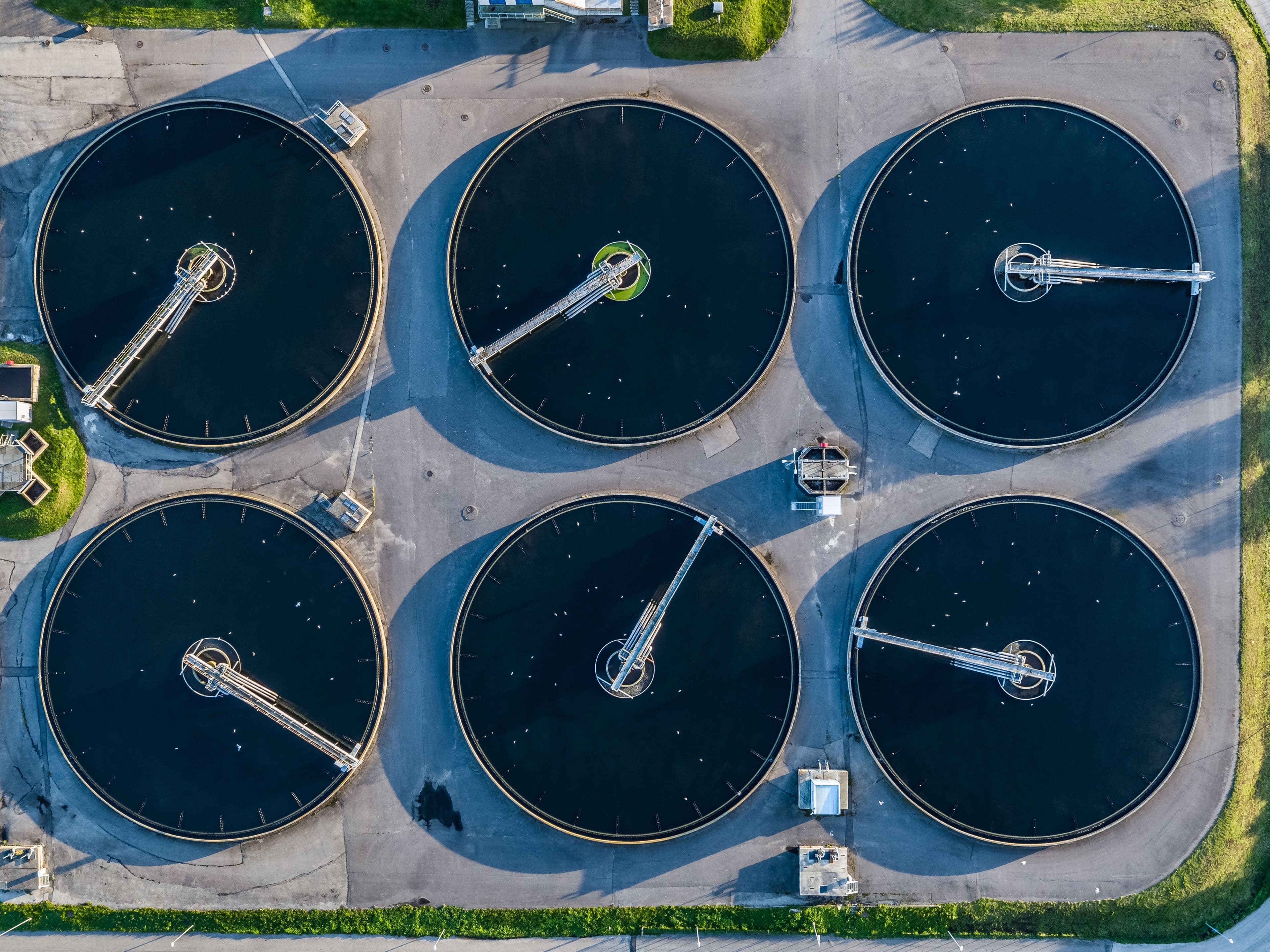
We take the wastewater and stormwater from Tallinn and its surrounding areas to the wastewater treatment plant in Paljassaare. We treat wastewater using mechanical, chemical and biological processes, and then release it into the Baltic Sea as a treated effluent. Our treated effluent parameters outperform statutory limits, being nearly twice as good.
Did you know?
- Every year, we treat 50 million cubic metres of wastewater and stormwater at our wastewater treatment plant.
- It takes 24 hours on average to treat wastewater.
Sewage discharge
In areas without access to a public sewerage system, regular sewage discharge is necessary to prevent flooding, unpleasant odours, and environmental damage.
What is sewage discharge?
Sewage discharge involves regularly emptying the wastewater tank to ensure the safe removal of collected wastewater and sludge to a treatment facility.
There are two official sewage discharge sites in Tallinn: at Raba 44 and Paldiski mnt 225. Discharging sewage anywhere else in the Tallinn service area is prohibited.
Read more about sewage discharge here.
In conclusion
Every consumer's contribution in making the water returned to nature as clean as possible and reducing the ecological footprint of wastewater treatment is important.

