

Why is my tap water rusty or why does it smell unusual?
If you notice a problem with water quality, please contact our customer service by calling 626 2200 or by emailing tvesi@tvesi.ee.
- Drinking water
Why is my tap water rusty or why does it smell unusual?
Sometimes the colour or smell of tap water may change temporarily. This does not mean that the water is unsafe – it simply indicates that there has been more movement of water in the pipes than usual.
The flow of water through the pipes may temporarily increase when the emergency response services open or close a hydrant. This kind of pressure change can wash away sediments that have accumulated on the pipe walls, and the water may appear rusty for a moment.
Good to know
We continuously monitor the quality of the drinking water by taking water samples according to the monitoring programme approved by the Health Board. We also rehabilitate and maintain pipes to ensure that every drop flowing from the tap is clean and safe to drink.
However, short-term changes may occur, especially if water consumption has been low for a while, for example when you are away from home on holiday or staying at a summer cottage. Stagnant water in the pipes can absorb the smell of metals or materials.
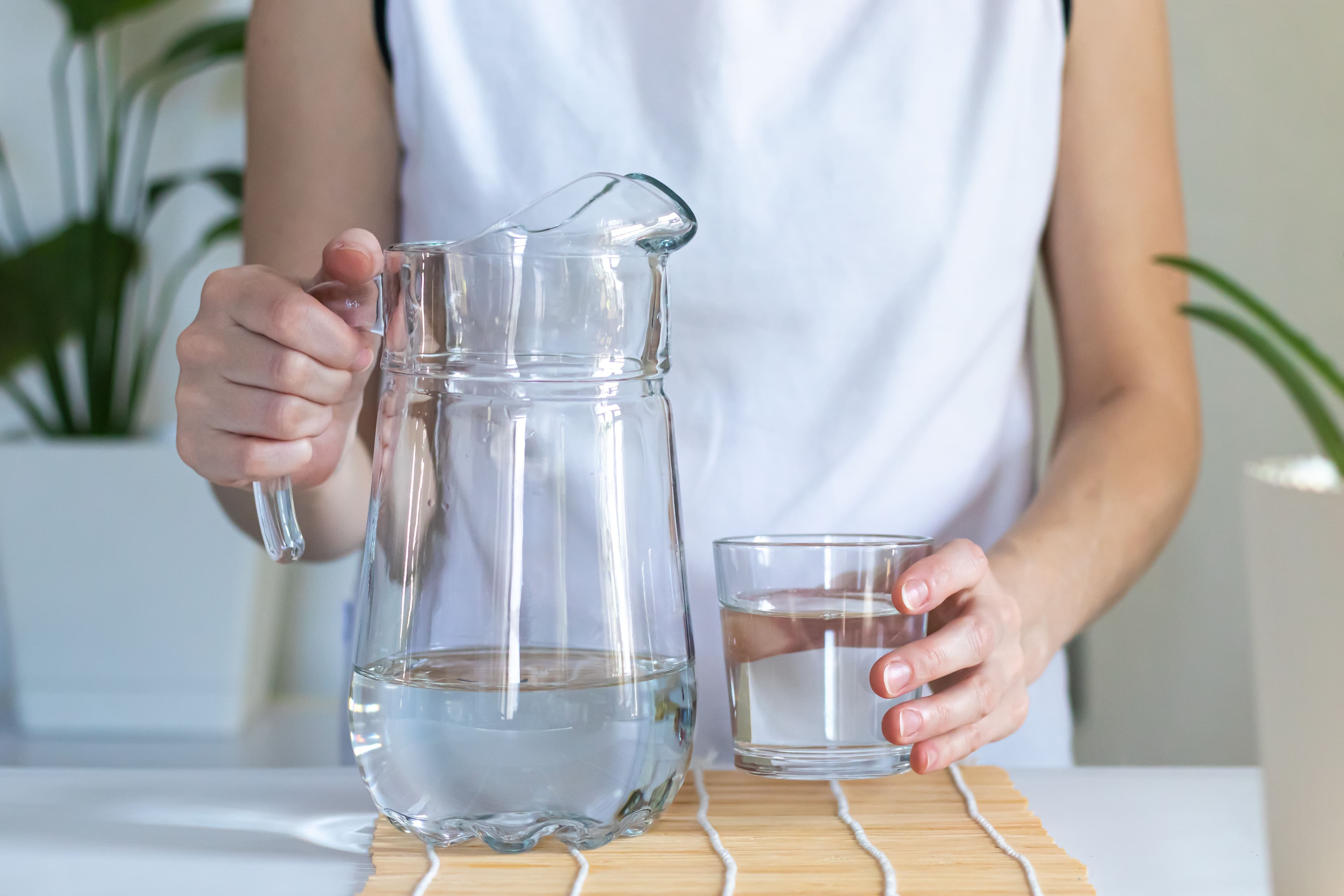
Tip: let the tap run for a moment before you drink. This way, you will always get fresh, crisp water straight from the mains.
However, you can rest assured that the city's public water mains are made of plastic, steel or cast iron, and that lead has not been used since the early 20th century. Most of the buildings and pipe connections in Tallinn were constructed much later, and have modern, safe pipes.
However, if you are still concerned about the quality of the water in your home, we suggest that you order a water sample.
Why is chlorine added to drinking water?
Chlorine is a chemical substance that is safe for human health in small amounts. It helps to maintain water quality in the city's supply system, from the treatment plant to your tap.
If the chlorine smell seems strong, leave the water in an open jar at room temperature or in the fridge for a few hours. Chlorine evaporates naturally when it comes into contact with oxygen.