


Your drinking water
Where does drinking water come from?
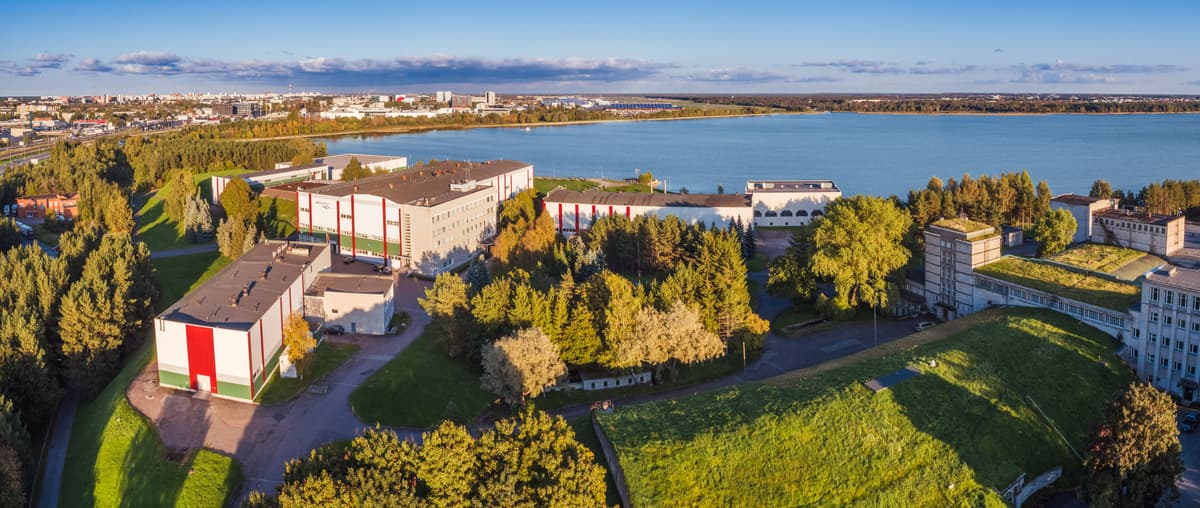
Drinking water starts its way from nature. Today, about 90% of consumers in our service area get their drinking water directly from the surface water, Lake Ülemiste. The remaining 10% drink regional groundwater.
The majority of Tallinners' drinking water comes from Lake Ülemiste, which is fed by the rivers and reservoirs of the Harju sub-basin. The Jägala, Pirita and Soodla rivers form part of a wider water catchment system, ensuring that Lake Ülemiste has water even during periods of drought.
The surface water catchment system covers an area of around 1,800 square kilometres and keeps life in the city going.

Groundwater
Groundwater is the source of drinking water for 10% of our customers, including residents of Nõmme, Merivälja, Tiskre and Saue. In these areas, we use the deep, well-protected Cambrian-Vendi and Ordovician-Cambrian aquifers as sources of drinking water. The boreholes extract water from a depth of 70–220 m.
The Cambrian-Vendi aquifer is rich in natural minerals, which is why the water drawn from it typically requires filtration before it can be pumped into the drinking water network. Filtration removes excess iron, manganese and ammonium from the water.
A number of water pumping stations also use UV equipment to ensure the water is microbiologically safe and to prevent any potential risks.
Radiological quality indicators
The level of radioactive substances in groundwater is directly related to the radioactivity of the water-bearing rocks. This mostly affects the Cambrian-Vendi aquifers. However, there is no cause for concern. The risk assessments carried out so far have shown that naturally occurring radiological parameters in drinking water are unlikely to cause illness in people (Source: Health Board).
As a precautionary measure, we pay closer attention to how different aquifers mix in areas where groundwater is used.
Radiological quality parameters are not monitored in drinking water produced from surface water, because scientific research shows that the natural levels of radionuclides in surface water are very low.
Read more from the website of the Ministry of Climate.

